Tiger Face Embroidery Review: A Designer's Take on Wild Style
When I first pulled up the Tiger Face design on my screen, I wasn't looking for just another animal motif to fill a gap in my library. As someone who spends hours hooping fabric, threading needles, and managing client expectations, I need designs that deliver visual impact without causing stitching nightmares. This piece falls squarely into the Wild Animals category, but does it hold up under the scrutiny of a professional embroidery project? After reviewing the layout, density, and potential applications, here is my honest assessment of how this design performs in real-world scenarios.
First Impressions: Bold Personality and Clean Lines
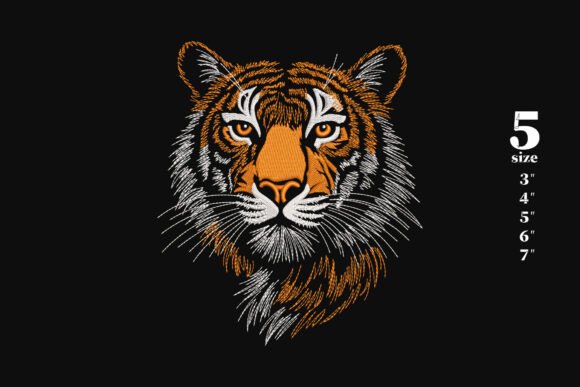
The immediate takeaway from the Tiger Face is its confident expression. Unlike some generic wildlife designs that rely on excessive detail to convey realism, this file seems to strike a balance between character and clarity. The shape suggests a fun, approachable vibe rather than a fierce predator, making it incredibly versatile for a wide range of products. From a design perspective, the layout appears well-centered, which is crucial for maintaining balance when stitching on curved surfaces like caps or structured items like tote bags.
The visual personality of this machine embroidery design leans towards the decorative side. It feels like it belongs on items meant to bring a smile or add a touch of whimsy to home décor. Whether you are creating a nursery accent or branding a boutique product, the mood here is playful yet polished. For an Etsy seller or small shop owner, this kind of universal appeal is gold; it translates well across different demographics, from parents looking for baby embroidery ideas to adults wanting unique custom apparel.
Real-World Application: Where This Design Shines
To truly evaluate an embroidery file, you have to imagine it stitched out on actual goods. I mentally placed the Tiger Face on a few key items to gauge its potential.
- Apparel and Sweatshirts: On a heather grey sweatshirt embroidery project, the bold lines of the tiger would pop beautifully. The design's scale seems appropriate for a left-chest logo or a larger back print, offering high visibility without overwhelming the garment.
- Tote Bags and Home Décor: This is arguably the strongest use case. A canvas tote bag design featuring this tiger face would make for an excellent eco-friendly shopping bag or a stylish book carrier. Similarly, as a central motif on a pillow cover or kitchen towel, it adds that "decorative touch" mentioned in the product description without feeling too formal.
- Patches and Accessories: If digitized with a merrow edge or suitable border, this could easily become a best-selling embroidered patch. Patches are huge in the current market, and a fun wild animal face fits perfectly with the trend of customizing denim jackets and backpacks.
- Gifts and Seasonal Items: For holiday embroidery or personalized gifts, this design offers a neutral yet engaging theme. It works for birthdays, baby showers, or even just a "thinking of you" present, enhancing the perceived value of the handmade product.
Navigating Fabric Challenges and Stitch Density
While the design looks promising on screen, practical execution requires caution. One of the first things I check in any Wild Animals themed file is the stitch density. High-density areas can cause puckering, especially on stretchy fabrics like t-shirts or thin materials used for baby clothes. Before committing to a final run, I strongly advise testing the Tiger Face on scrap fabric similar to your final product.
If you are working with textured fabrics, such as waffle weaves or heavy terrycloth towels, pay close attention to the smaller details. Complex textures can sometimes swallow up fine running stitches or obscure the definition between color blocks. In these cases, using a cut-away stabilizer is non-negotiable to ensure the design remains crisp after washing. For dark fabrics, consider whether the provided thread colors offer enough contrast. You might need to manually adjust the color sequence in your embroidery software to ensure the tiger's features don't get lost against a navy or black background.
Curved surfaces present another variable. If you plan to stitch this on a cap, the center of the design must align perfectly with the seam to avoid distortion. The "fun" nature of the face means any warping due to improper hooping will be immediately noticeable to the customer. Always test on a dummy cap first to confirm the hoop size accommodates the design without hitting the brim or frame.
Commercial Viability and Brand Consistency
For craft business owners and digital product sellers, the consistency of the finished product is what builds trust. A design like Tiger Face can significantly boost buyer engagement if it looks professional. Customers associate clean stitching and clear imagery with quality. If the design holds up well during production, it reinforces your brand's reputation for reliability.
However, commercial use comes with responsibilities. Before listing items featuring this design on your online store or including it in a bundle of design assets, you must verify the licensing terms. The description notes it includes "multi," likely referring to multiple formats or sizes, but it does not explicitly state the license type. Never assume a design is free for commercial resale or unlimited production runs. Check the specific agreement to see if you can sell physical small shop products or if there are restrictions on digital redistribution.
Final Verdict: A Solid Choice for Makers
In summary, the Tiger Face embroidery design offers a compelling mix of charm and utility. It avoids the trap of being overly complex, which often leads to thread breaks and frustration, while still delivering enough detail to be visually interesting. Its adaptability makes it a strong candidate for diverse projects, ranging from personalized gift items to boutique merchandise.
My recommendation is to treat this as a reliable workhorse in your library. Start by stitching a sample on a medium-weight cotton with a standard stabilizer to judge the fill stitch and satin stitch quality. Create a few printable mockups to visualize how it looks on different colored garments before marketing it to clients. With proper preparation and an eye for fabric compatibility, this design can elevate your embroidery project portfolio and delight your customers with its spirited wild aesthetic.
Remember, the success of any digital embroidery file ultimately depends on the maker's skill and material choices. By respecting the nuances of fabric texture and machine tension, you can ensure that every Tiger Face you stitch becomes a standout piece in your collection.