Review: Colorful Tulip Floral Embroidery Art for Craft Fairs
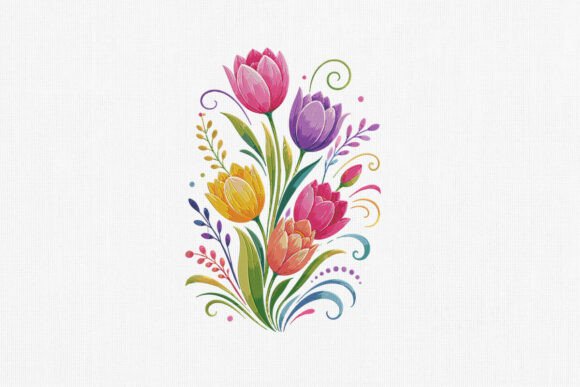
As an embroidery designer preparing for a busy weekend at the local artisan market, my table needs to stop traffic. Customers walk by hundreds of booths, and I have mere seconds to catch their eye. That is why I am taking a close look at the Colorful Tulip Floral Embroidery Art before committing to a full production run. This isn't just about pretty pictures; it is about creating a craft fair product that converts browsers into buyers. Based on the description of a lively bouquet of blooming tulips, this design promises vibrant elegance, but does it hold up under the scrutiny of a handmade shop owner looking for reliability and sales potential?
First Impressions and Market Appeal
When I first pulled up the preview of this digital embroidery file, the immediate impression was one of cheerful sophistication. It strikes a balance between modern and rustic, making it versatile enough for spring markets, Mother's Day displays, or even general boutique inventory. The "colorful" aspect suggests a rich palette that will pop against neutral fabrics, which is crucial for booth visibility. In the category of Bouquets Bunches, floral designs can sometimes feel generic, but a well-executed tulip arrangement offers a timeless appeal that resonates with a wide demographic, from young mothers to grandmothers looking for a unique gift.
For an Etsy seller or a physical vendor, visual impact is everything. This design feels bold enough to serve as a focal point but detailed enough to suggest high-quality craftsmanship. It avoids being too cute or childish, leaning instead toward a premium, decorative aesthetic that justifies a higher price point for your finished product.
Product Versatility and Placement
The true test of any machine embroidery design is how it translates across different substrates. I imagine setting up my display with a variety of items to show customers the possibilities. Here is how I see the Colorful Tulip Floral Embroidery Art performing:
- Tote Bags and Market Bags: This is likely the strongest contender. A large hoop placement on a canvas tote allows the vibrant thread colors to shine. It transforms a simple bag into a statement tote bag design that customers want to carry immediately.
- Aprons and Tea Towels: For kitchenware, this design adds a touch of farmhouse charm. As an apron embroidery piece, it works beautifully centered on the bib or as a corner accent. Similarly, tea towel embroidery benefits from the linear nature of a tulip bunch, though fabric texture must be considered.
- Patches and Pouches: If digitized with a satin border, this could make an excellent embroidered patch. Applied to denim jackets or small fabric pouches, it creates a customizable small shop product that appeals to younger crowds.
- Caps and Pillow Covers: While possible, these require more caution. The curved surface of a cap can distort wide floral arrangements, and pillow covers need to account for seam allowances.
Production Realities and Practical Selling Points
From a production standpoint, batch efficiency is key. When you are stitching fifty units before a Saturday morning sale, you need a design that runs smoothly. The Colorful Tulip Floral Embroidery Art appears to have a logical flow, but I would need to verify the stitch density. High-density areas look luxurious and cover fabric well, which is great for hiding imperfections in lower-quality blanks, but they increase stitch time and thread consumption.
Photography is another major factor. For online listings, this design should photograph exceptionally well due to its color contrast. Creating a printable mockup or using actual design assets to stage photos on social media will be easy because the subject matter is universally recognized and loved. It tells a story of spring and renewal instantly, reducing the cognitive load on the customer—they know exactly what they are looking at and whether they like it.
Critical Considerations for Execution
Before loading this onto the machine for a full run, there are several "careful-use" notes every professional should heed. Even the most beautiful Embroidery file can fail if the execution ignores material limitations:
- Fabric Texture: Thick, looped towels can swallow small details. If the tulip petals have fine satin stitches, they might get lost on a waffle-weave tea towel. Always test on the exact blank you intend to sell.
- Thread Contrast: Ensure your thread colors match the digital preview. A "colorful" design relies on specific hues; substituting threads can muddy the image and reduce the "vibrant elegance" promised in the description.
- Curved Surfaces: If applying this to caps, be wary of the width. Wide floral bunches can bridge over the curve of the hat, causing gaps or puckering. It may work better as a smaller side logo than a full front center.
- Dark Fabrics: Check if the design includes an underlay or backing plan for dark garments. Without proper coverage, the fabric might peek through the colorful petals, ruining the premium look.
- Sizing Clarity: Designs often lose clarity when scaled down too small. If you plan to use this as a tiny accent on a pocket, ensure the tiny details of the bloom do not turn into a solid blob of thread.
Maximizing Value and Brand Consistency
Using the Colorful Tulip Floral Embroidery Art consistently across your product line can strengthen your brand identity. If a customer buys a tote bag with this design, seeing it again on a matching pillow cover or apron encourages add-on sales. It creates a cohesive booth display that looks professional and curated rather than random.
Furthermore, the perceived value of a handmade product increases when the embroidery looks dense, clean, and intentional. This design has the potential to elevate a standard $5 tote into a $25 artisan piece, provided the stitching is flawless. It signals to the buyer that care was taken in the creation process, which is the primary driver for success in the commercial embroidery and handmade sectors.
Final Designer Notes and Checklist
To ensure success with this file, I recommend a strict pre-production protocol. First, test the design on scrap fabric identical to your final product. Do not skip this step. Second, review the spacing between elements; flowers that are too close can cause thread breaks or bird nesting. Third, confirm the required hoop size to ensure your machine can handle the maximum dimensions without re-hooping.
Always use the right stabilizer for the fabric weight—cut-away for stretchy knits and tear-away for stable wovens. Create at least one real physical mockup to take photos for your marketing materials; digital renderings rarely capture the true texture of the stitches. Finally, and most importantly, compare fabric colors to find the perfect backdrop for the tulips, and confirm commercial licensing terms before selling any finished goods. The description mentions it is a digital file for projects, but explicit rights for resale of finished physical items should always be verified with the creator.
In conclusion, the Colorful Tulip Floral Embroidery Art holds significant promise for craft fair sellers and boutique makers. Its blend of vibrant color and classic floral imagery makes it a strong candidate for high-margin items like tote bags and home decor. With careful attention to stitch density, fabric choice, and production testing, this design can become a staple in your inventory, driving both foot traffic at your booth and clicks on your online store.