Red Poppy Flower Embroidery Design Review
As an embroidery designer preparing for a busy weekend at the local craft fair, my table is currently covered in prototypes, hoop samples, and half-finished tote bags. The goal is always the same: curate a collection of handmade products that stop customers in their tracks. Today, I am putting the Red Poppy Flower Embroidery Design under the microscope to see if it has what it takes to be a bestseller. In the world of Single Flowers Plants within the Embroidery category, red poppies are iconic, but executing them well on commercial goods requires a keen eye for detail and production practicality.
First Impressions and Visual Impact
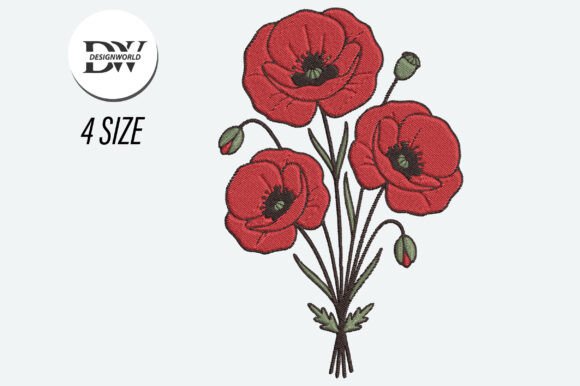
The moment I loaded this machine embroidery design onto my screen, the first impression was one of bold, rustic elegance. Unlike some floral patterns that lean too heavily into cute or whimsical territory, this design feels grounded and premium. The vibrant red blooms promise to pop against neutral linens and canvas, making it an ideal candidate for a craft fair product lineup. The description mentions "delicate botanical details," and upon closer inspection, the digitizing appears to balance solid fill areas with finer satin stitches effectively. This duality is crucial; it needs to look impressive from three feet away to draw people to the booth, yet hold up to scrutiny when a customer picks up the item.
For an Etsy seller or boutique maker, visual appeal translates directly to sales. A design that photographs well is half the battle won. The high contrast of the red petals against green stems suggests this will render beautifully in printable mockup images for online listings. It avoids the muddy look that sometimes plagues digital florals, ensuring that the finished product looks as good in a JPEG as it does in person.
Product Versatility and Market Fit
When evaluating where this design shines, I immediately thought of our core inventory: tote bags, aprons, and kitchen textiles. As a tote bag design, the Red Poppy is a winner. Canvas bags provide the perfect stable surface for the stitch work, and the bold red color offers a striking accent to the natural fabric tone. Similarly, for apron embroidery, this motif adds a touch of farmhouse charm without feeling dated. It appeals to the modern gardener or the home cook who appreciates artisanal quality.
I also tested the concept for tea towel embroidery. Here, caution is required regarding fabric texture. Waffle weave or highly textured linen can sometimes cause small details to get lost. However, the strong outlines of the poppy suggest it should remain legible even on slightly textured fabric texture surfaces. For those looking to create smaller goods, this pattern could easily be scaled down for an embroidered patch or a small fabric pouch, provided the stitch density allows for reduction without losing definition.
Would it work on caps? Potentially, but curved surfaces are tricky. If the design includes large solid fill areas, it might pucker on the front panel of a baseball cap unless the right stabilizer is used. For a small shop product line, sticking to flat goods like pillow covers and market bags initially seems the safest and most profitable route.
Production Practicality for Batch Making
Running a successful booth means efficiency. Can this design be repeated quickly? The answer depends largely on the specific embroidery file specifications, which every crafter must verify before mass production. If the stitch count is reasonable and the thread changes are minimal, this becomes a viable option for batch production. A design that requires ten thread color changes for a single flower slows down the entire workflow. Ideally, a commercial embroidery ready file should streamline the process, allowing you to churn out multiple units while maintaining quality.
One critical factor for craft fair sellers is how easy the design is to understand at a glance. Customers walking past a booth make split-second decisions. The Red Poppy is universally recognizable; it doesn't require explanation. This immediate recognition increases buyer engagement. Furthermore, because it is a single focal element rather than an all-over print, it works well as a large statement piece or a smaller chest-pocket accent, offering versatility in your product pricing tiers.
Critical Considerations for Success
While the aesthetic potential is high, there are technical hurdles to clear before listing these items for sale. First, always test the design on scrap fabric that matches your final product. What looks good on muslin might behave differently on heavy canvas or silky pillow covers. Pay close attention to thread colors; ensure the red is vibrant enough not to look dull under indoor craft fair lighting.
Be wary of tiny details if you plan to scale the design down. Delicate botanical lines can vanish if the hoop size limits your ability to enlarge the pattern sufficiently. If you are working with dark fabrics, remember that the design may need an underlay or specific backing to prevent the fabric color from showing through the red stitches, which can mute the vibrancy.
Additionally, never assume the license terms. Before selling any finished product made from a digital embroidery file, confirm the commercial licensing agreement. Some designers allow unlimited physical sales, while others have restrictions. Protecting your business means respecting these design assets and their creators.
Final Verdict for the Craft Entrepreneur
In conclusion, the Red Poppy Flower Embroidery Design holds significant promise for craft fair sellers and online entrepreneurs alike. Its bold nature ensures it stands out in a crowded marketplace, while its classic subject matter appeals to a broad demographic. By carefully selecting the right materials, verifying the technical specs of the file, and creating high-quality mockups, this design can become a staple in your handmade product catalog. Whether adorning a sturdy tote or a delicate tea towel, this poppy brings a splash of life that customers love to take home. Just remember to prioritize testing and stabilization to ensure every item leaving your booth represents the highest standard of craftsmanship.