Mini Football: A Pro Review for Branded Merch
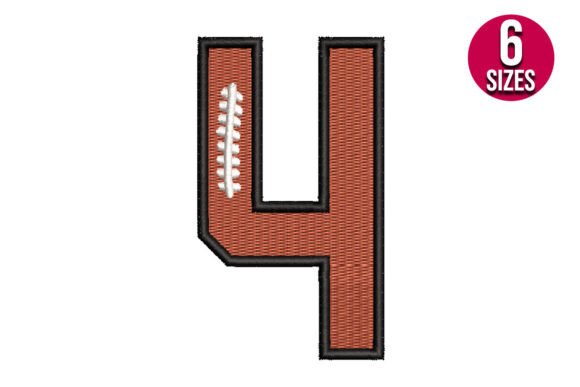
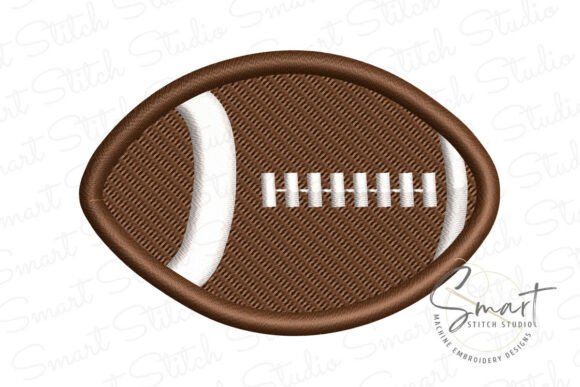
As an embroidery designer who has spent years digitizing and reviewing files for commercial use, I approach every new machine embroidery design with a critical eye. It is not just about whether the image looks cute on a screen; it is about how that digital embroidery file translates into a tangible asset for a small business. Today, I am reviewing the Mini Football design. Based on its description as a fun, sporty, and versatile pattern featuring a classic football shape, this asset holds significant potential for brands looking to inject energy into their merchandise.
My first impression of Mini Football is that it strikes a balance between playful and professional. It does not scream "children's party" exclusively; rather, it feels like a classic sports icon that can be adapted for various contexts. For a local café hosting a weekend game watch, a boutique selling athletic leisurewear, or a pet brand creating bandanas for active dogs, this design offers immediate visual recognition. The "classic football shape" suggests a timeless appeal, avoiding trendy distortions that might date a brand quickly. This longevity is crucial when investing in design assets for long-term brand identity.
Real-World Applications for Small Business Merch
The true test of any embroidery file is its versatility across different products. Mini Football shines here because of its compact nature. For small business merch, scale is often the limiting factor, and a mini-sized design solves many placement headaches.
- Embroidered Patches: This is arguably the strongest use case. A well-digitized mini design makes an excellent iron-on or sew-on patch. Coffee shops can offer these as loyalty rewards, while gyms can use them as milestones for members. The compact size ensures the details remain clear even when scaled down for a 2-inch patch.
- Staff Uniforms and Aprons: For a sports bar or a family restaurant with a game-day theme, apron embroidery featuring this motif adds a touch of personality without overwhelming the uniform. Placed on the chest pocket or the lower corner of an apron, it acts as a subtle branding element that reinforces the establishment's vibe.
- Cap Embroidery: Caps are tricky due to the curved surface and limited space. A mini design is ideal for the side panel or even the center front of a structured cap. It avoids the bulkiness that larger designs create, ensuring the hat remains comfortable and the fabric does not pucker.
- Tote Bag Design: Canvas totes are staples for boutiques and markets. Using Mini Football as a repeated pattern or a singular accent near the handle creates a handmade product feel that customers love. It transforms a generic bag into a themed accessory.
- Custom Apparel: Whether it is a sleeve detail on a varsity jacket or a small chest logo on a polo shirt, this design integrates seamlessly into custom apparel lines. It works particularly well for teams, school groups, or community leagues looking for cohesive looks.
Technical Considerations and Production Challenges
While the aesthetic appeal is high, a professional review must address the technical execution. When working with sports-themed imagery, stitch density is a primary concern. Footballs often feature laces and stitching details that, if not handled correctly in the digitizing phase, can become a solid blob of thread when embroidered at a small size.
Before running a production batch, I strongly advise testing the Mini Football file on the specific fabric you intend to use. Fabric texture plays a massive role in the finished product. On a smooth polo shirt, the details will pop. However, on a textured towel or a rough canvas tote, fine lines might get lost. If your business plan involves dark uniforms, you must verify that the design includes an appropriate underlay or satin border to prevent the background fabric from showing through the lighter thread colors.
Furthermore, consider the hoop size constraints. While "mini" implies it fits everywhere, always confirm the minimum dimensions provided with the file. Attempting to shrink a design beyond its intended limit can cause thread breaks and poor registration. Since the product description mentions "detaile[d]" elements (likely detailing the laces or seams), ensure these features are robust enough for high-speed commercial embroidery machines if you are outsourcing production.
Enhancing Brand Identity and Customer Trust
In the world of handmade brands and Etsy sellers, consistency builds trust. Using a high-quality icon like Mini Football across your packaging, social media graphics, and physical products creates a cohesive visual language. When a customer receives a package with a branded tag featuring this emblem, followed by a product that bears the same embroidered mark, it signals professionalism.
This design can elevate the perceived value of your items. A simple t-shirt becomes a "team jersey" with the addition of this emblem. A plain tote bag becomes a "game day essential." This psychological shift allows small businesses to command better pricing and fosters deeper buyer engagement. It tells a story of activity, community, and fun, which are powerful drivers for customer loyalty.
Designer Notes for Successful Implementation
To ensure the best results with Mini Football, follow these practical steps before committing to a large run:
- Test in Black and White: Before selecting your brand colors, stitch the design out in black thread on white fabric (and vice versa). This reveals the structural integrity of the digitizing without the distraction of color matching.
- Check Small Patch Viability: Stitch a sample at the smallest intended size. Can you clearly distinguish the laces? If not, you may need to request a simplified version from the designer or limit its use to larger applications.
- Review Thread Color Contrast: Ensure there is sufficient contrast between the football body, the laces, and any outlining. Low contrast can make the design look muddy from a distance.
- Inspect Spacing and Density: Look for gaps between satin columns or areas where the fabric might puckers due to high density. Adjust your stabilizer choice accordingly; a cut-away stabilizer is often safer for stretchy fabrics like jersey knits used in cap embroidery or tees.
- Create a Printable Mockup: Use the digital embroidery file to create a printable mockup for client approval. This helps visualize the final look on different garment colors before a single stitch is made.
- Verify Commercial Licensing: Always confirm the license terms. Just because a file is available for purchase does not automatically grant rights for unlimited commercial embroidery sales. Ensure your usage aligns with the seller's policy.
In conclusion, Mini Football is a robust contender for small business owners in the Sports and lifestyle sectors. Its classic shape and versatile scale make it a reliable tool for building brand identity through embroidered patch work, apparel accents, and promotional items. By respecting the technical limitations of embroidery and testing thoroughly, this design can become a cornerstone of your product line, delivering a professional and engaging experience to your customers.