Cross Stitch Turtle Laser Cut CNC: A Designer's Review
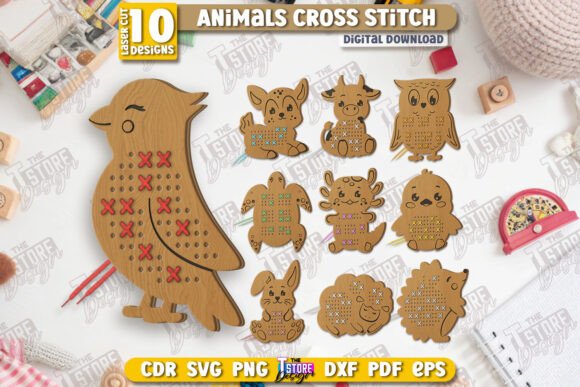
As an embroidery designer who spends most of my days digitizing for high-end boutique apparel, I am always skeptical when a file crosses over from one craft medium to another. Recently, I evaluated the Cross Stitch Turtle Laser Cut CNC design with a specific goal in mind: adapting it for a limited-run sweatshirt collection for a small online shop. The product description initially caught my eye because it is marketed primarily as a "Cross Stitch Animals Laser Cut Montessori Lacing Developing Game Educational Toy CNC File." While the intended use is clearly for Laser Cutting machines to create physical lacing toys within the Other Toys Games category, my job was to determine if this vector art could translate into a premium machine embroidery design for cozy seasonal apparel.
First Impressions and Design Mood
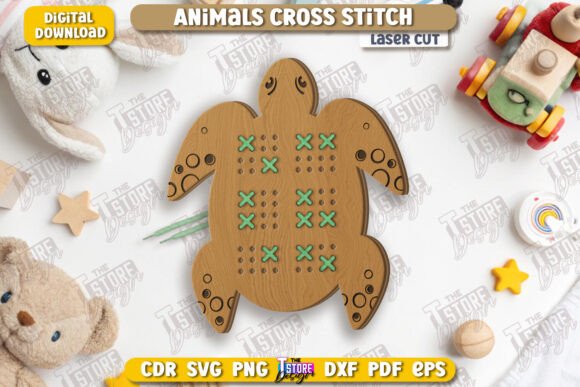
Upon opening the file, the first thing that struck me was the inherent charm of the turtle motif. The layout relies on the geometric simplicity of cross-stitch patterns, which translates beautifully into embroidery. Unlike complex photorealistic digits that can get muddy on thick fabrics, this design offers a clean, graphic quality. The mood is undeniably playful yet rustic, striking a balance that feels both cute and sophisticated enough for a boutique brand. It avoids looking like a childish cartoon, instead leaning into a handmade, folk-art aesthetic that is currently trending in lifestyle product photography.
The detail level is moderate, which is a double-edged sword. For a laser-cut toy, the negative space is crucial for the lacing function. For embroidery, this means we have to be mindful of stitch density. If the gaps between the "crosses" are too wide, the underlying fabric might show through in an unintended way. However, on a neutral or dark fabric sweatshirt, this openness can actually add texture, allowing the fabric texture of the fleece to peek through and create a subtle, integrated look rather than a heavy, plastic-like patch.
Adapting for Sweatshirts and Hoodies
When planning a sweatshirt embroidery drop, placement is everything. I tested the concept of placing the Cross Stitch Turtle Laser Cut CNC on the left chest of an oversized hoodie. In this position, the design acts as a subtle brand marker. Because the original file uses red lines for cutting and black lines for engraving, a digitizer would need to interpret these paths into satin or fill stitches. The result on a pastel-colored hoodie would be soft and feminine, whereas on a charcoal or navy garment, using high-contrast thread colors like cream or mustard yellow would make the turtle pop with bold energy.
For back designs, this motif works exceptionally well as part of a larger composition. Imagine the turtle centered on the upper back of a cozy crewneck, perhaps surrounded by botanical elements that are also digitized from similar nature-inspired assets. The geometric nature of the cross-stitch style ensures that even at a larger scale, the design remains readable and does not become a solid block of thread that stiffens the garment. This is critical for custom apparel where comfort is king. The design feels strong enough for commercial embroidery use, provided the underlay is adjusted correctly to prevent puckering on stretchy fleece blends.
Technical Considerations for Production
Before sending this to production, there are several practical concerns any Etsy seller or apparel decorator must address. Since the source material is a CNC file, it is not a ready-to-stitch embroidery file. You cannot simply load this into your machine. It requires professional digitizing to convert the vector paths into stitch data. During this process, one must carefully consider the hoop size relative to the design dimensions. If you intend to sell these as small shop products with multiple size options, ensure the design scales down without losing the definition of the individual "stitches" in the pattern.
Stabilizer choice is another non-negotiable factor. Sweatshirts vary wildly in weight and stretch. A cut-away stabilizer is likely necessary to support the density of the cross-stitch simulation, ensuring the design survives repeated washing without distorting. Furthermore, small-size readability is a potential issue. If the turtle is scaled down too much for a sleeve accent, the intricate crossing lines may merge. I recommend testing a sample on scrap fabric identical to your final product to verify that the finished product maintains its crisp edges.
Elevating Brand Identity and Value
In the world of handmade goods, presentation is half the battle. Using a distinctive motif like this turtle can significantly impact buyer trust and visual recognition. When customers see a consistent, well-executed design across your printable mockup listings and actual photos, it signals professionalism. The Cross Stitch Turtle Laser Cut CNC offers a unique selling point because it bridges the gap between digital precision and analog craft vibes. It tells a story of careful creation, which resonates deeply with consumers looking for authentic handmade product experiences.
For creative entrepreneurs, leveraging such design assets allows for rapid prototyping of new collections. Whether you are creating a line of educational toys via laser cutting or a parallel line of embroidered apparel, the visual consistency strengthens your brand identity. However, it is vital to remember the limitations of the source file. The description notes, "Just be sure your cuttin..." which implies specific machine settings are required for the original intent. As an embroiderer, you must ignore the laser-specific instructions and focus entirely on how the shapes translate to thread. Do not assume the file includes specific stitch counts or license terms for embroidery; always verify these details with the creator or perform your own due diligence before commercial use.
Final Verdict for Boutique Use
The Cross Stitch Turtle Laser Cut CNC is a versatile foundation for a variety of creative projects. While born as a template for Laser Cutting toys, its aesthetic potential in the realm of hoodie design and apparel decoration is substantial. It offers a minimal, decorative appeal that fits perfectly with current trends in slow fashion and artisanal goods. By paying attention to thread contrast, stabilizer selection, and proper digitizing techniques, this design can transform a basic sweatshirt into a coveted piece of boutique merchandise. For the small shop product owner willing to invest time in proper adaptation, this turtle design promises to deliver high customer engagement and a distinct market presence.