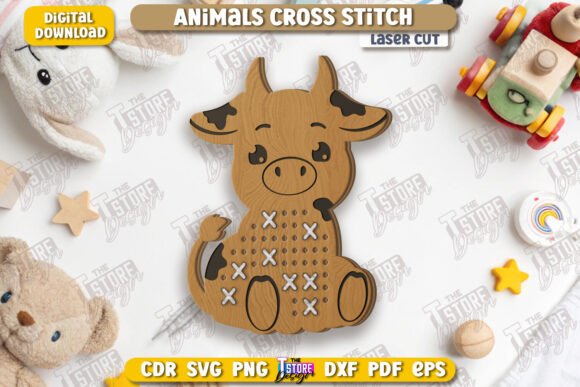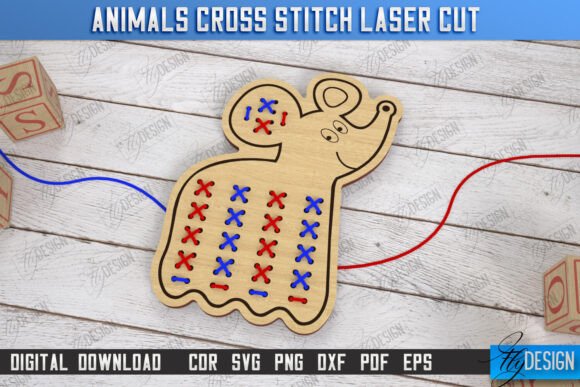
Cross Stitch Laser Cut Montessori Lacing Review
As an embroidery designer who spends every weekend setting up booths at local craft fairs, I am constantly evaluating new design assets that can turn a simple table display into a revenue generator. When I first encountered the Cross Stitch Laser Cut Montessori Lacing file, my initial reaction was one of curiosity mixed with caution. The title suggests a hybrid concept: the nostalgic charm of cross-stitch aesthetics combined with the precision of laser cutting for educational play. For a handmade product line, this duality offers a unique selling point, but it requires careful execution to ensure it translates well from a digital file to a tangible craft fair product.
First Impressions and Market Appeal
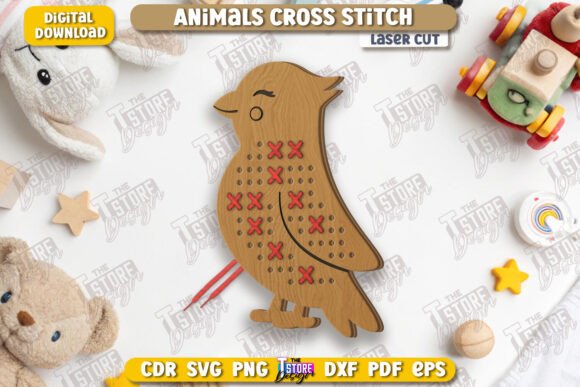
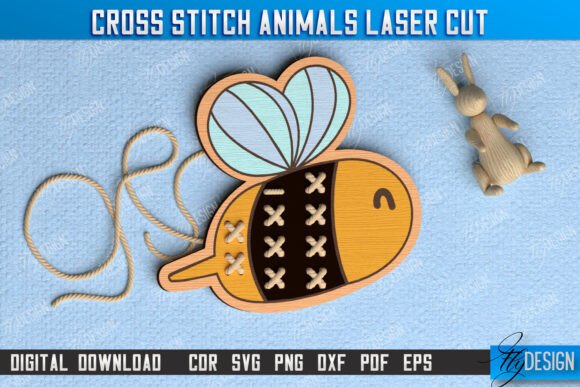
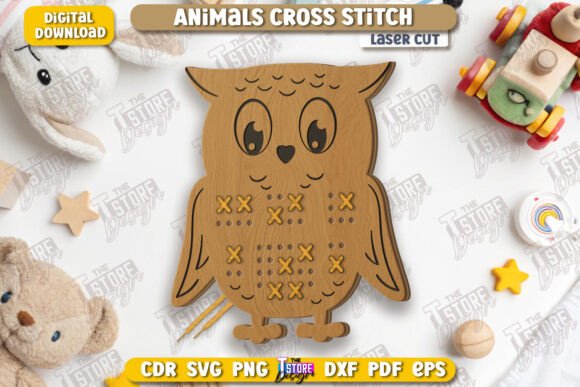
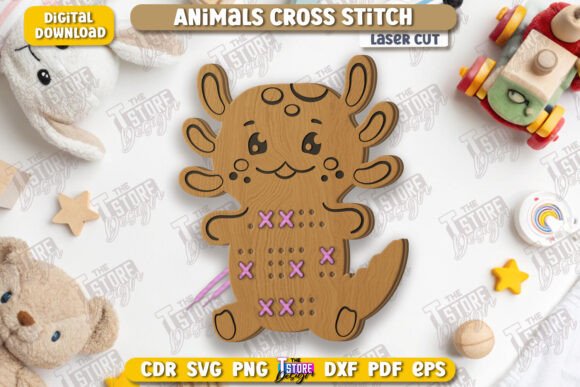
The visual language of Cross Stitch Laser Cut Montessori Lacing leans heavily into the "cute" and "educational" sectors. In a sea of generic farmhouse decor, these animal-themed lacing cards stand out because they promise interaction. Customers at my booth often walk past static items, but they stop for things their children can touch. This design feels soft, minimal, and premium when executed correctly. It bridges the gap between a toy and a piece of art, making it perfect for parents looking for screen-free activities. While the source category is listed under Other Toys Games and the production method involves Laser Cutting, as an embroiderer, I see its potential as a complementary item to my stitched goods. It adds variety to a booth that might otherwise be saturated with only textiles.
Integrating the Design into Product Lines
The true test of any machine embroidery design or digital asset is its versatility across different substrates. Here is how I evaluate where Cross Stitch Laser Cut Montessori Lacing fits within a typical handmade inventory:
- Tote Bags and Market Bags: Using the animal motifs as a tote bag design works exceptionally well. The clean lines of the cross-stitch style translate beautifully onto canvas. It serves as a large focal design that catches the eye from across the aisle.
- Aprons and Tea Towels: For apron embroidery and tea towel embroidery, these shapes act as charming accents. Placed on the bib of an apron or the corner of a kitchen towel, they add a whimsical touch without overwhelming the utility of the item.
- Embroidered Patches: If you adapt the vector paths for stitching, these make adorable embroidered patch options. They are small, high-margin items that impulse buyers love.
- Pillow Covers and Pouches: On fabric pouches or pillow covers, the geometric nature of the lacing patterns provides a modern, structured look that appeals to contemporary home decor shoppers.
- Booth Samples and Mockups: Even if you do not sell the physical lacing cards, using the imagery in a printable mockup for your Etsy listings can unify your brand aesthetic, showing customers a cohesive world of cute animals.
Production Realities and Practical Selling Points
When preparing for a weekend market, batch production is key. The Cross Stitch Laser Cut Montessori Lacing design appears repeatable, which is a massive plus. However, there are critical factors to consider before committing to a full run. First, clarity is paramount. At a craft fair, customers decide within seconds if an item is worth picking up. The design must be understandable at a glance. If the laser-cut details are too intricate, they may get lost on textured materials.
Photography is another hurdle. For the Etsy seller or online boutique owner, this design photographs well due to its high contrast and distinct shapes. However, lighting must be managed carefully to avoid shadows hiding the cut-out details. As a small shop product, it needs to look professional in images to justify a premium price point. The perceived value of a "Montessori" labeled item is higher than a standard toy, allowing for better margins if the finish quality matches the expectation.
Critical Considerations for Embroiderers and Makers
While this product is primarily marketed for laser machines, many of us operate hybrid shops. If you are adapting these concepts for commercial embroidery or combining them with stitched elements, you must be vigilant about technical limitations. The original description notes compatibility with laser cutting software, but it does not specify stitch counts or hoop constraints for embroidery adaptation. Therefore, you must verify these details before production.
Here are specific areas requiring caution:
- Dense Stitch Areas: If converting the lacing paths to satin stitches, beware of excessive stitch density. Too many stitches in a small animal shape can cause puckering, especially on lighter fabrics.
- Tiny Details: Small lettering or minute internal cut-outs may not survive the washing process if embroidered. Ensure the thread colors provide enough contrast so the design does not blur into the background.
- Fabric Texture: Textured towels or thick canvas can obscure fine details. Always test the design on scrap fabric that matches your final product material.
- Curved Surfaces: Applying these designs to caps is risky. The curved surface of a cap can distort the geometry of the lacing holes or the embroidery alignment.
- Dark Fabric: On dark materials, the negative space of the laser cuts might not pop unless backed with a contrasting fabric or stabilizer.
- Sizing: Designs that look crisp at 6 inches may lose clarity when scaled down to 2 inches for a pocket accent.
Enhancing Brand Consistency and Buyer Engagement
Incorporating Cross Stitch Laser Cut Montessori Lacing into your lineup can significantly boost buyer engagement. It invites interaction; parents imagine their children threading the laces, and that emotional connection drives sales. It reinforces a brand identity centered on education, creativity, and wholesome fun. To maximize this, create a dedicated display section where the lacing cards are hung alongside finished textile goods like tote bags featuring the same animal motifs. This cross-merchandising strategy strengthens brand consistency and encourages multiple-item purchases.
Final Designer Notes and Recommendations
Before listing this as a finished product or using it in your commercial lineup, adhere to these professional steps. First, always test the digital embroidery file or laser path on scrap material to check for registration issues. Second, review the spacing between cut lines or stitch columns to ensure structural integrity; you do not want the wood or fabric tearing during play. Third, confirm your hoop size capabilities if adapting for embroidery, and select the appropriate stabilizer to prevent shifting. Finally, and most importantly, compare fabric colors to find the best backdrop for the design, and strictly confirm the commercial licensing terms included with the Cross Stitch Animals Laser Cut Montessori Lacing Developing Game Educational Toy CNC File. Since the description advises checking machine and software compatibility, do not assume universal fitment. Verify that your specific equipment can handle the file format to avoid wasted time and materials. With careful preparation, this design can be a standout star in your handmade collection.